Rug Pull Explained Risks and Solana Meme Coins
· based on the channel Ecole Nadjm el Maarifa- مدرسة نجم المعرفة
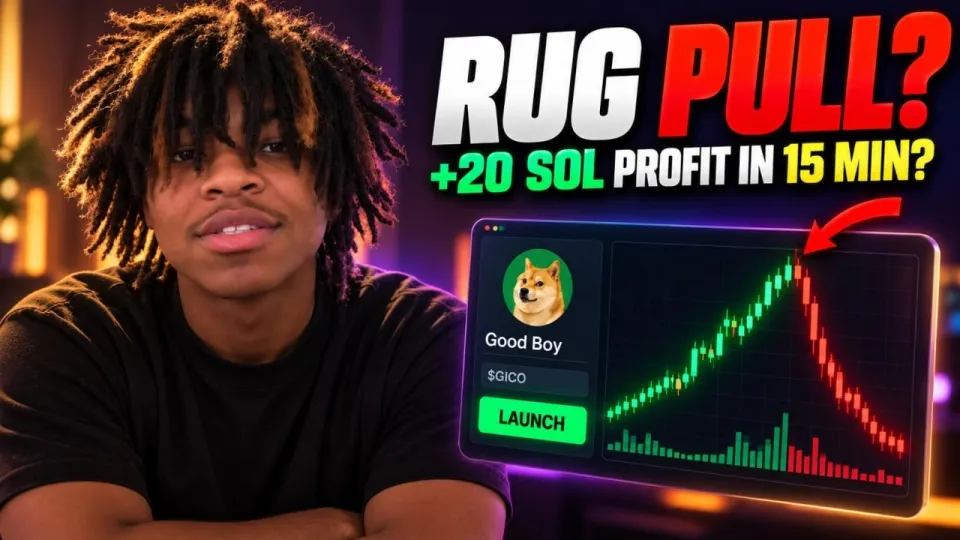
Rug pull is a deceptive practice in cryptocurrency where developers or token creators suddenly withdraw liquidity from a trading pool, causing the token price to crash and investors to lose their funds. This scam is common in meme coins, especially on platforms like Solana where launching tokens is fast and accessible. Understanding what a rug pull is and how it operates helps traders and investors recognize risks and avoid losses when dealing with new or unverified tokens.
One of the main ways rug pulls occur on Solana meme coins is through manipulation of liquidity pools on decentralized exchanges (DEXs) such as pump.fun and Raydium. Developers launch tokens by setting up supply parameters, mint authorities, and liquidity pools; then they may artificially inflate token prices by adding liquidity and encouraging buying before pulling the liquidity out abruptly.
Learn how to create and launch a Solana meme coin by using tools like NoxMint that facilitate token creation without coding. The process involves creating an SPL token, assigning mint authorities, and deploying liquidity on platforms like pump.fun or Raydium. However, this ease of token creation also opens risks for rug pulls as malicious actors exploit the system by controlling liquidity and token authority.
How Solana Meme Coins Are Launched
Creating a Solana meme coin involves several technical steps:
- Token Setup: Define total supply, mint authority, and freeze authority using Solana's SPL token standard.
- Deploy Token: Mint the token on the Solana blockchain via tools like NoxMint.
- Add Liquidity: Deposit tokens and paired assets (usually SOL or stablecoins) into liquidity pools on decentralized exchanges such as pump.fun or Raydium.
- Launch Token: Make the token available for public trading, often accompanied by marketing to attract buyers.
Each step requires careful configuration of token authorities, as these permissions control minting additional tokens or freezing transfers, which can be exploited in rug pulls if misused.
What Is a Rug Pull and How It Works
A rug pull occurs when token creators remove liquidity from the trading pool, effectively making it impossible for holders to sell their tokens at any meaningful price. This can happen in two main ways:
- Liquidity Drain: Developers withdraw paired assets from the liquidity pool, collapsing the token's market price.
- Minting Extra Tokens: If mint authority is retained, creators can mint unlimited tokens, flooding the market and devaluing existing holdings.
This scam leads to a rapid collapse in token price, as liquidity vanishes and investors are left with worthless tokens. Rug pulls exploit the trust of investors who buy into hype without verifying token security.
Common Rug Pull Patterns and Warning Signs
To avoid falling victim to rug pulls, investors should watch for these red flags:
- Unverified Token Authorities: Tokens where mint or freeze authorities are not revoked or renounced.
- Locked or Unlocked Liquidity: Absence of locked liquidity or sudden liquidity removal history.
- Unusual Tokenomics: Extremely high token supply inflation or excessive developer holdings.
- Aggressive Marketing: Overhyped projects with little transparency.
- Rapid Price Pumps: Sudden, unnatural price increases often followed by sharp crashes.
Performing on-chain analysis and reviewing token contract details can reveal these risk factors.
Liquidity and Price Manipulation Techniques
Liquidity manipulation is central to many rug pulls. Developers may:
- Add liquidity to inflate token trading volume and price.
- Use bonding curves or automated market makers (AMMs) to create artificial demand.
- Remove liquidity at peak prices to maximize their gains before the crash.
Understanding how liquidity pools and AMMs work on platforms like Raydium helps investors evaluate the sustainability of token prices.
Security Checks Before Buying New Tokens
Before investing in a new meme coin, perform these security checks:
- Verify the token contract on Solana explorers.
- Check if mint and freeze authorities are renounced.
- Confirm liquidity is locked or time-locked.
- Analyze wallet distribution to detect large holder concentration.
- Review project transparency and developer credentials.
By following these steps, investors reduce the risk of losing funds to rug pulls.
Useful Links
- NoxMint Token Creation Platform – Create meme coins easily without coding.
Conclusion
Rug pulls represent a significant risk in the fast-moving world of Solana meme coins and decentralized finance. Recognizing the technical mechanisms behind token launches, liquidity pools, and rug pull schemes enables investors and developers to make safer decisions. Always conduct thorough due diligence and security audits before participating in new token sales or liquidity pools. The channel Ecole Nadjm el Maarifa- مدرسة نجم المعرفة provides detailed tutorials and insights into Solana token creation and rug pull prevention. For hands-on token creation, use NoxMint to build and launch tokens securely.
Key takeaways
- Rug pulls involve sudden liquidity removal causing token price collapse
- Solana meme coins can be created and launched via pump.fun and Raydium
- Rug pull detection requires checking token authority and liquidity status
- Liquidity manipulation can inflate token prices before a rug pull
- Security checks help investors avoid scams and risky tokens
Source: Rug Pull Guide And Launching A Solana Meme Coin · Markdown version
Questions & answers
What is a rug pull in cryptocurrency?
A rug pull is a scam where token creators withdraw liquidity from a trading pool on a decentralized exchange, causing the token price to crash and investors to lose their funds.
How are Solana meme coins typically launched?
Solana meme coins are created by defining token parameters like supply and authorities, minting the token on Solana, and deploying liquidity on platforms such as pump.fun and Raydium to enable trading.
What are the main warning signs of a potential rug pull?
Warning signs include unrevoked mint or freeze authorities, unlocked liquidity pools, unusual tokenomics with high developer holdings, aggressive marketing, and sudden unnatural price spikes.
How can investors protect themselves from rug pulls?
Investors should verify token contracts, check if authorities are revoked, confirm liquidity locks, analyze wallet distributions, and research project transparency before buying new tokens.